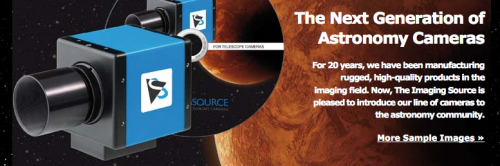
What an amazing thing! The Imaging Source has introduced a line of low-noise astronomy cameras that provide amateur photographers with the necessary tools to take amazing photographs using their telescopes.
Priced from $390 to $640, the monochrome and color camera models are available “with and without an IR cut filter in three resolutions: 640×480, 1024×768 and 1280×960. The astronomy cameras deploy low noise CCD chips from Sony, which have an exposure time of up to 60 minutes and a maximum frame rate of up to 60 fps.”
Granted, the quality of your pictures will also depend upon the strength of the telescope the camera is attached to, but what an affordable and empowering device for backyard astronomers everywhere!
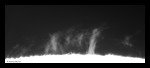
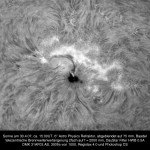
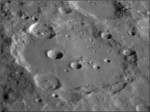
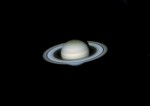
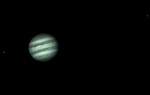
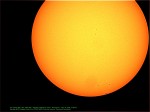
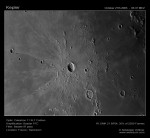
New Series of Astronomy Cameras with Gigabit Ethernet
Highly affordable CCD cameras that allow cable lengths of up to 100 meters.
The Imaging Source, a multi-national manufacturer of imaging hardware and software for industry, medicine and astronomy, is now offering amateur astro-photographers a series of highly affordable, low noise astronomy cameras to capture high quality images of the night sky.
The astronomy cameras ship in beautifully crafted, blue and black anodized aluminum and zinc industrial housing, measure 50 mm x 56 mm and weigh 260 g. The included nose piece is mounted onto a C/CS mount on the front of the camera. On the rear, a Gigabit Ethernet connector is available. A threaded tripod adapter on the bottom rounds off the exterior of the camera.
Monochrome and color models are available with and without an IR cut filter in three resolutions: 640×480, 1024×768 and 1280×960. The astronomy cameras deploy low noise CCD chips from Sony, which have an exposure time of up to 60 minutes and a maximum frame rate of up to 60 fps.
The cameras ship with the camera control and acquisition software “IC Capture.AS”, which allows image sequences and singular images to be written to disk. Furthermore, using the highly intuitive graphical user interface, all camera parameters, such as exposure, sensitivity and frame rate, can be set.
In the American magazine “Sky & Telescope”, Sean Walker wrote:
“The Imaging Source [CCD imager] is a well-designed, versatile camera that is a natural progression for planetary astro-photographers looking to upgrade from a consumer webcam. The camera control software IC Capture.AS seems to be a mature program itself, complementing the camera perfectly.”
Similarly, in the British magazine “Astronomy Now”, Nick Howes wrote:
“The Imaging Source have delivered cameras and software that offer the serious Solar System imager a product which will deliver outstanding results for years to come.”
The astronomy cameras are available worldwide and start at only USD 350.00 or EUR 290.00 (without shipping and sales tax). They can be purchased online and from an international network of dealers. To learn more about The Imaging Source astronomy cameras, download “IC Capture.AS” and see hundreds of sample images, please take a look at:
– http://www.AstronomyCameras.com
– http://www.AstronomyCamerasBLOG.com
Kevin and I have a lower-end Meade telescope; even with its limited capabilities, we’ve seen things we wished we could capture on film. All of a sudden that seems much more feasible.